What American Households Can Learn from the World's Best Savers
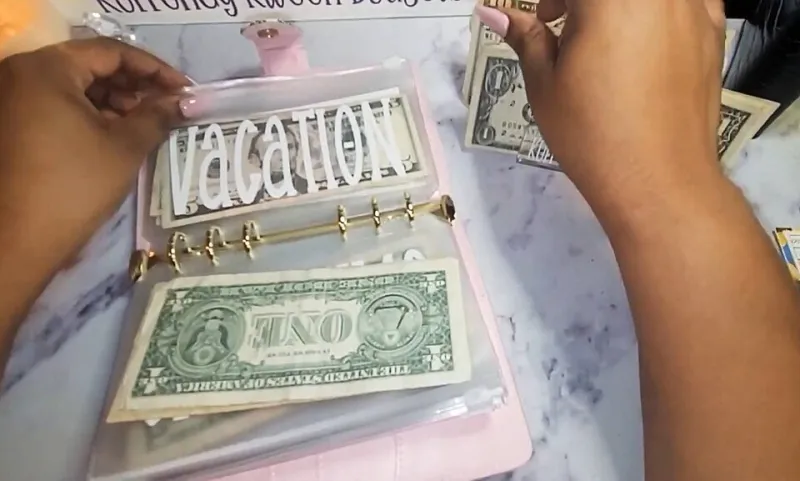
Photo: Kurrency Kween Budgets, CC BY 3.0, via Wikimedia Commons
Americans love a good savings hack — the app, the challenge, the 52-week chart taped to the fridge. But some of the most effective money discipline in the world wasn't invented by a fintech startup. It was built over generations, in households and communities where saving wasn't a lifestyle choice. It was survival.
If you peek inside the saving cultures of Israel, Japan, Germany, and immigrant communities across the U.S., you'll find strategies that translate beautifully to an American paycheck — no matter what you earn.
The Israeli 'Budget Pre-Nup': Agree on Money Before It's a Problem
In Israeli households, it's common for couples to have an explicit, sometimes formal conversation about how money gets handled — who pays what, what requires discussion, what each partner can spend freely. Some families go as far as written agreements. Call it a budget pre-nup: the rules get set when everyone's calm, not mid-argument over a credit card statement.
The American adaptation: You don't need a lawyer. You need a one-page money agreement with your partner or even yourself. Three questions: What's the automatic spending limit before we talk? What are we each saving monthly? What's the one goal we're funding this year? Couples who talk about money regularly report significantly less financial stress — and the conversation is a lot easier when it happens before the conflict, not during.
Lending Circles: Community Credit That Actually Builds Credit
Across many cultures — Israeli immigrant communities, Korean gye, Mexican tandas, West African susu — friends and family pool cash monthly, and each member takes the full pot on a rotating schedule. It's a savings plan, a loan program, and a social contract all in one. Miss your contribution and everyone knows. That accountability is exactly why the system works.
The American adaptation: Formal versions exist in the U.S. Nonprofits like Mission Asset Fund run lending circles that report payments to credit bureaus — participants have seen credit scores jump an average of 168 points in some programs. No circle in your area? Build a lightweight version with five trusted people: $100 a month each, one person takes the $500 pot monthly, rotate until everyone's been paid. Put the rules in a group chat in writing.
The Envelope Method, No Envelopes Required
The cash envelope system — dividing physical cash into categories so overspending is physically impossible — is famous through Dave Ramsey, but it's how much of the world has always operated. In cash-first economies from Tel Aviv's shuk to Tokyo's markets, when the envelope's empty, spending stops. There's no card to swipe past the limit.
The American adaptation: Most of us can't live fully on cash, but you can replicate the friction digitally. Open a separate checking or savings account per category — groceries, dining out, fun money — and load each with its monthly amount. Many banks let you create automated 'buckets' or sub-accounts. When the dining-out bucket hits zero, the month's restaurant spending is done. The magic isn't the cash. It's the hard stop.
The German Aversion to Debt (and the Japanese Kakebo)
German households carry some of the lowest credit card debt levels in the developed world — 'Schulden,' the German word for debt, shares a root with the word for guilt. Meanwhile, Japanese households have used the kakebo — a simple household ledger — for over a century. It's not about tracking every penny with an app. It's the deliberate, handwritten act of writing down what you spent and how you felt about it.
The American adaptation: Two options. One: treat credit cards like debit cards — if the balance can't be paid in full this month, the purchase waits. Two: try a weekly five-minute ledger review, on paper or in a notes app. The physical act of writing 'dining out: $143' hits differently than a push notification.
The Common Thread
Strip away the cultural packaging and every one of these systems does the same three things: it makes spending visible, it adds friction to impulse purchases, and it embeds accountability — to a partner, a group, or a written plan. No app required, though apps can help.
Pick one. Set up your buckets this weekend, draft your one-page money agreement, or text four friends about a lending circle. Global money wisdom is only useful when it becomes a personal habit — and habits, as we say around here, are built every day of the year.