Your Money Has a Secret Calendar — And February Is Where Most People Fall Behind
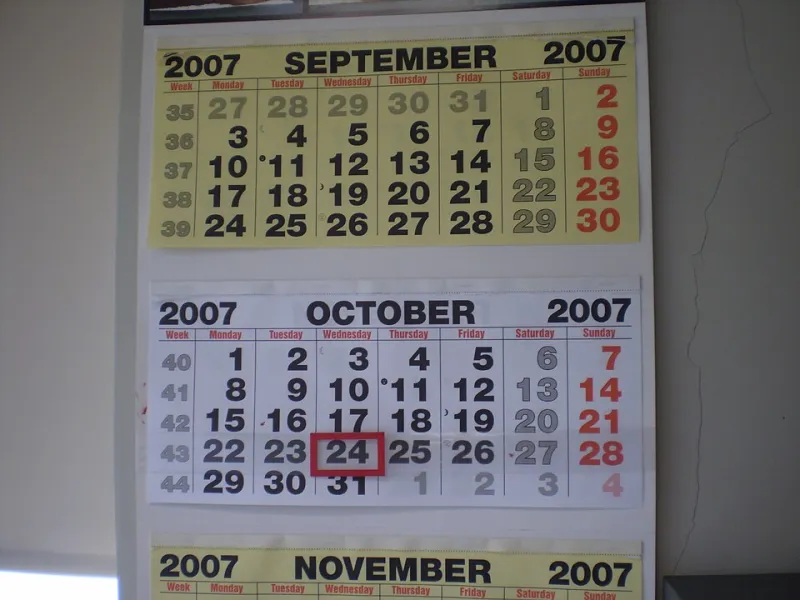
Photo: Claudio Elias, Public domain, via Wikimedia Commons
January gets all the glory. Gym memberships spike, budgeting apps see record downloads, and half of America swears this is the year they finally get serious about money. Then February 14th rolls around, the flowers cost $40, and the spreadsheet on your laptop hasn't been opened since the 3rd.
Here's the thing nobody tells you: personal finance isn't a sprint that starts on January 1st. It's a 365-day calendar, and some of the most expensive days of your year don't happen in January at all. They happen quietly, in the middle of winter, while your motivation is already fading.
Why February Is the Real Test
February is where resolutions go to die — but it's also where real financial habits get built. It's the month when your January statement arrives and shows you exactly what holiday spending actually cost you. It's when W-2s and 1099s land in your inbox, which means tax season is officially here whether you're ready or not.
And here's the kicker: if you're getting a refund, February is when filing early pays off. The IRS typically processes returns in the order they're received, and early filers get their money faster — often before the mid-April rush clogs the system. Meanwhile, if you owe money, you can file now and schedule payment for April without penalty. Either way, February is the move.
But February is just one stop on a calendar most people never see. Let's walk through the rest of it.
The Hidden Dates That Cost You Money
Spring (March–May): Tax Day is the obvious one, but the sneaky deadline is your IRA contribution window — you have until tax day in April to fund the previous year's retirement account. Miss it and that tax advantage is gone forever. Also, most student loan servicers and insurance companies adjust rates in the spring. If you haven't shopped your auto policy in a year, this is when a 15-minute comparison can save real money.
Summer (June–August): Open enrollment for Affordable Care Act plans closed months ago, but summer is when subscription renewals pile up. Streaming services, gym memberships bought in January, annual software plans — they all love to auto-renew while you're on vacation. Pull your credit card statement and hunt for anything you haven't used in 60 days.
Fall (September–November): This is open enrollment season for Medicare (October) and most employer health plans (usually late October through early November). The average person spends more time choosing a Netflix show than picking a health plan, yet one lazy enrollment decision can cost thousands in premiums and deductibles. Also: FAFSA opens in the fall, and early applicants often get better aid packages.
December: The flex-spending account deadline. Charitable donation cutoffs for tax deductions. And the annual credit report review — pull yours free at AnnualCreditReport.com before holiday spending muddies the picture.
Willpower Fades; Systems Don't
The reason a January-only approach fails is simple: willpower is a battery, and it drains. A calendar-based approach works because it replaces motivation with triggers. You don't need to feel like managing money in October — you just need a note that says "open enrollment: compare plans this week."
Here's a practical way to build your own version. Take one evening and create a recurring calendar event for each of these:
- February: File taxes (or gather documents). Review January spending for holiday damage.
- April: Confirm IRA contributions before the deadline.
- June: Subscription and insurance audit.
- September: Check your credit report and score.
- October/November: Open enrollment — actually compare plans.
- December: FSA spending, charitable gifts, year-end rate checks on savings accounts.
Six reminders. Maybe two hours of work spread across a year. That's a fraction of the effort of a January budget bootcamp, and it compounds because you're catching things — rate hikes, renewals, deadlines — exactly when they happen.
The Compounding Effect of Good Timing
Think of it like planting. A January resolution is one seed dumped in a hole all at once. The 365-day calendar is a garden where something is always in season. Filing taxes early, enrolling on time, renewing or canceling subscriptions before they charge you — none of these moves is dramatic alone. Together, they're the difference between a year that happens to you and a year you managed.
So yes, keep your January goals. But set a reminder for February 1st that says: this is where it actually counts. Your future self — the one who filed early, caught the subscription, and picked the right health plan — will be very glad you did.