One Item, One Day, One Dollar: The Clutter-to-Cash Experiment That Paid for My Whole Year of Small Joys
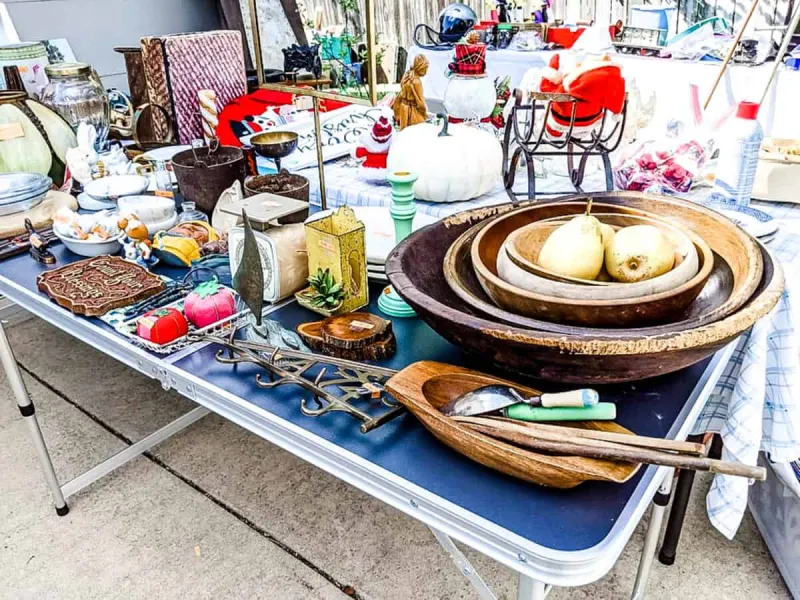
Photo: garage sale household items table clutter organized, via ourvintagebungalow.com
There's a running joke in my house that my garage is where belongings go to be forgotten. A bread maker from 2019. A bassinet my kid outgrew before he could roll over. A cordless drill I bought for one shelf installation and never touched again.
Turns out all that forgetting was worth about $940 last year.
Here's the setup: for 365 straight days, I listed exactly one unused item for sale. That's it. One photo, one listing, one day. No weekend-long garage sale marathons, no becoming a reseller influencer. Just a single daily transaction between me and the stuff I'd stopped noticing.
The Math That Makes It Worth Doing
Let's be honest about expectations, because most "sell your stuff" articles oversell the fantasy of a windfall. You are not going to fund your retirement with your old board games.
What you can realistically expect:
- Low-value days ($1–$5): Mugs, paperback novels, phone chargers, kids' clothes. These listings feel trivial — but they clear out fast.
- Mid-value days ($10–$40): Kitchen appliances, name-brand clothing, tools, toys with all their parts (a miracle when it happens).
- High-value days ($50+): Furniture, electronics, sporting goods. You'll get maybe one of these a month, and they carry the average.
Across a full year, my daily average landed around $2.57. That's roughly $940 — which happens to cover a year of two streaming services, my gas station habit, and a not-insignificant amount of drive-through coffee. Every dollar came from things I had genuinely written off as worthless.
If you're starting from a more cluttered baseline than I was (no judgment — my sister-in-law's basement could fund a cruise), hitting $1,100 or more in year one is entirely plausible.
Where to Actually List Your Stuff
Different junk lives on different platforms, and matching the item to the marketplace is half the battle:
- Facebook Marketplace: The workhorse. Free to list, local pickup means no shipping hassle, and buyers show up fast for furniture, tools, and household goods. Bonus: the haggling is a known cultural ritual, so nobody takes a lowball personally.
- eBay: Best for anything niche, collectible, or shippable in a padded envelope. Vintage tees, old video games, brand-name anything. Check "sold" listings to price realistically.
- OfferUp / Craigslist: Good regional alternatives, especially for larger items.
- Poshmark or Mercari: If your clutter skews toward clothing and shoes, these platforms move inventory quickly.
My personal rule: if it fits in a shoebox, it ships. Anything bigger gets local pickup only. That one boundary saved me a dozen trips to the post office and roughly a dozen small resentments.
The Unexpected Payoff Wasn't the Money
Here's what nobody told me would happen: the daily habit rewired how I shop.
When you spend a year asking "would I sell this?" about your possessions, you start asking it before you buy things. That $28 kitchen gadget at Target gets a much harder look when you know it'll be the subject of a listing by October. My impulse purchases dropped noticeably by month four — not because I was restricting myself, but because I'd finally met the endgame of every impulse purchase I'd ever made.
There's also a quieter benefit. Selling one thing a day is a tiny, completable win. It takes ten minutes. It produces a notification that says "you made $4 today." Compare that to traditional budgeting, where the feedback loop is a spreadsheet that mostly tells you what you already failed at.
Small, daily, visible progress. Sound familiar? It's the entire philosophy here at Kesef365 — money management works best when it's a daily rhythm, not a yearly reckoning.
How to Run Your Own 365
Want to try it? Keep the system stupidly simple:
- Set a daily trigger. I listed right after my morning coffee. Attach it to something you already do.
- Two photos minimum, honest condition notes. Underselling in the description causes fewer problems than overselling.
- Track every dollar in one place. A note in your phone works. Watching the total climb is half the motivation.
- Auto-transfer the proceeds. I swept everything into a separate savings account every Friday. Money you don't see is money that stays.
- Forgive the missed days. I missed eleven days across the year. The streak matters less than the volume.
One caveat worth stating plainly: if you're selling to pay down urgent debt, a daily listing habit is a supplement, not a solution. But as a way to convert dead weight in your closets into a live emergency fund — or just a year of small pleasures you didn't have to budget for — it's hard to beat.
Somewhere in your home right now is a box of things you've already emotionally abandoned. One of them, listed today, is a coffee. Listed every day, it's a better year. And unlike most financial advice, this one starts with stuff you already own.