I Charged Myself a 5% 'Exchange Fee' on Every Purchase for Two Weeks — Here's What My Wallet Looked Like After
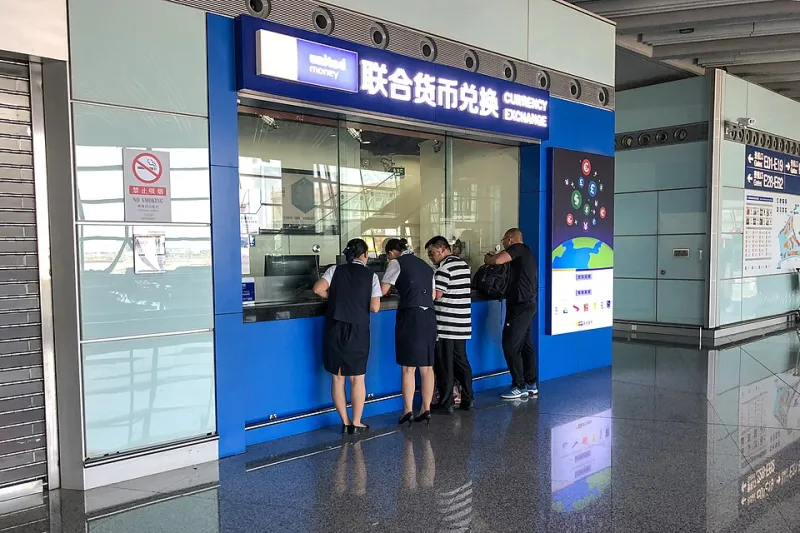
Photo: N509FZ, CC BY-SA 4.0, via Wikimedia Commons
Here's a confession: I've abandoned more budgeting systems than I've had gym memberships. Spreadsheets, envelope methods, three different apps — all of them lasted about as long as my New Year's resolve at a Costco sample table.
Then I tried something genuinely ridiculous, and it's the only thing that's stuck.
The Idea: Every Purchase Is a Currency Exchange
The site you're reading is called Kesef365 — kesef is Hebrew for money, and 365 is every day of the year. Somewhere between those two words, I started thinking about exchange rates. When you travel abroad and convert dollars to euros, the exchange booth takes its cut. You don't argue. You don't feel robbed. You just accept that converting money costs a little something.
So I asked: what if I treated every purchase like a currency exchange? What if my dollars had to be "converted" into spending money, and the conversion fee — 5% — went to me instead of some airport kiosk?
Every time I spent $40 at Target, I'd move $2 into savings. A $12.50 lunch? Sixty-three cents to the vault. I called it my "Kesef Rate."
Why This Shouldn't Work — But Does
On paper, this is just rounding-up savings with extra steps. Banks have offered round-up programs for years. But the framing changes something in my brain, and I don't think I'm alone.
Friction beats willpower. The act of manually logging the fee and transferring the money made each purchase a tiny decision point. Not a guilt spiral — just a two-second pause. That pause is where impulse spending goes to die.
Framing beats math. Losing 5% to a "fee" feels different from "saving 5%" — even though it's identical. Fees feel non-negotiable. Savings feel optional, and optional things lose to pizza. By renaming the transfer as a fee, I made it feel like part of the cost of buying anything.
Behavioral economists have a name for this kind of thing: mental accounting. We don't treat all dollars equally — we put them in invisible buckets. This trick weaponizes that quirk instead of fighting it.
The Two-Week Experiment
The rules were simple:
- Every purchase, no exceptions, gets a 5% fee.
- The fee moves to a separate savings account within 24 hours (I used a high-yield account at an online bank).
- If I couldn't be bothered to transfer small amounts daily, I'd batch them Sunday night.
I tracked everything in a notes app. Here's the actual rundown:
- Groceries: $214.80 spent → $10.74 in fees
- Gas and transit: $86.15 → $4.31
- Restaurants and coffee: $97.40 → $4.87
- Household stuff (Target, Amazon): $132.60 → $6.63
- One impulse buy I'm not proud of (a fire pit in March): $189 → $9.45
Total: $719.95 spent, $36.00 saved in 14 days.
Thirty-six dollars doesn't sound like much until you do the math: that pace is roughly $936 a year, skimmed off money I was already spending. No lifestyle change. No deprivation. Just a toll booth between me and my own wallet.
What Surprised Me
The fee didn't stop me from buying things — and that's fine. I wasn't trying to spend less, at least not at first. But something sneakier happened: the fee made me notice my spending. When a $6 latte comes with a 30-cent toll, you start seeing the tolls stack up. I cut back on the coffee runs not because I forced myself to, but because the math got louder.
The fire pit fee stung, too. Paying a $9.45 "penalty" on an impulse purchase felt like the purchase itself was confessing to me. I kept the fire pit. I also kept the $9.45.
How to Run Your Own Kesef Rate
- Pick your percentage. 5% is meaningful without hurting. Too small and it's noise; too big and you'll quit.
- Separate account, separate bank if possible. Money you can't see is money you can't spend. Out of sight, out of overdraft.
- Automate the transfers if manual ones feel like a chore — but honestly, the manual step is half the magic. The friction is the feature.
- Batch weekly if daily is annoying. Sunday night, five minutes, done.
The Takeaway
Willpower is a terrible savings strategy because it asks you to be a different person. The Kesef Rate doesn't. It just asks you to pay a small toll on the way to spending — and gives the toll money back to future-you.
Two weeks in, I've got $36 I would have frittered away, a slightly quieter brain, and one fire pit I earned, honestly, at a 5% premium.
Convert wisely.