The 'Kesef Hour': Why 6 AM Sunday Is the Only Time I Look at My Money — And Why It Works

Photo: Shixart1985, CC BY 2.0, via Wikimedia Commons
Here's a confession that would've horrified me five years ago: I used to open my banking app somewhere between eight and twelve times a day. Waiting for the kettle. Standing in line at Target. Sitting at a red light (don't worry, I've stopped that one). Each peek gave me the same hit of dread, like scratching a mosquito bite — brief relief, then itchier than before.
The problem was never the numbers. The problem was that I never gave my money my full attention. I gave it scraps — anxious, distracted, three-second scraps — and then wondered why I felt like my finances were a car with a mysterious rattle I kept hearing but never took to the shop.
So I did something almost embarrassingly simple. I gave money an appointment.
What the Kesef Hour Actually Is
'Kesef' is the Hebrew word for money, and the name came first as a joke between me and my wife. But the ritual is dead serious, and it takes exactly fifteen minutes:
Sunday morning. 6 AM. Before anyone else in the house is awake.
I'm not going to pretend 6 AM is magic for everyone. What matters is that it's the same slot every single week — non-negotiable, like a dentist appointment you actually keep. Before the kids are up, before the phone starts buzzing with group chats and sale emails, before the day has opinions about my time.
The ritual itself:
- Make coffee. This is not optional. The coffee is the signal that says 'we're working now.'
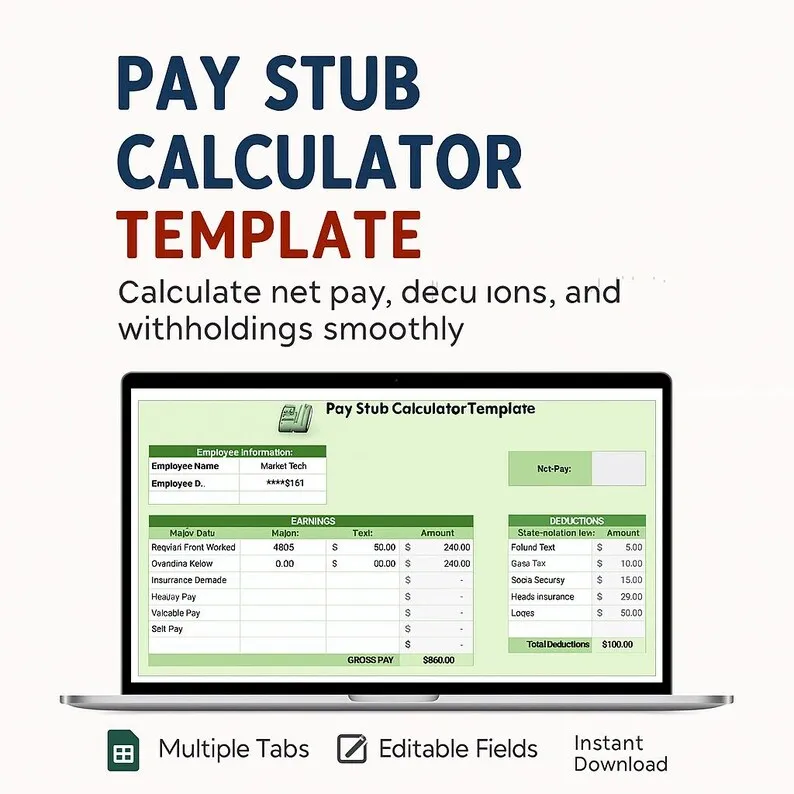
- Open one spreadsheet. Not three apps, not five tabs, not the banking app's confusing categories. One spreadsheet I built myself with four columns.
- Look at three accounts. Checking, savings, credit card. That's it. Everything else can wait.
- Fifteen minutes, then close the laptop. When the timer goes off, I'm done whether I feel finished or not.
That's the whole thing. No budgeting software, no alerts, no push notifications screaming at me on a Tuesday about a $4.19 charge at a gas station in a town I drove through once.
The Spreadsheet Is Stupidly Simple
Four columns. That's the entire system.
- Date (always a Sunday)
- What came in (paychecks, side gig income, the $30 my brother-in-law finally Venmo'd me)
- What went out (the week's big categories — groceries, gas, that one dinner out that got ambitious)
- One sentence about anything that surprised me
That last column is the one I'd never give up. 'Dog food went up $6.' 'Auto insurance renewal hits next month.' 'Ate out four times — why?' Six months of those one-liners taught me more about my spending than any pie chart an app ever generated. Apps show you data. Sentences show you stories.
Why This Beat Checking Daily
Here's what surprised me most: my actual financial decisions didn't change much. What changed was the noise.
Daily checking kept my brain in threat-detection mode. Every balance was a fresh verdict on my worth as a person. Weekly checking turned money from a mood ring into a maintenance task — like mowing the lawn. You don't stand at the window watching the grass grow. You cut it on Saturday and get on with your life.
There's also a batching effect. When you look once a week, patterns jump out that you'd never notice in a daily drip. The three random $12 subscriptions. The fact that every Sunday-through-Wednesday stretch is fine and every Thursday is where the takeout orders live. That's actionable. A single Tuesday glance at a declining balance is just anxiety with a loading spinner.
And the anxiety drop was real. Within about a month, the 2 AM 'did the mortgage clear?' wake-up stopped. I knew it had cleared. I'd looked. On Sunday. With coffee.
Steal This: The One-Page Kesef Hour Agenda
Copy this, print it, stick it inside a cabinet door:
THE KESEF HOUR — SUNDAY, 15 MINUTES
Minute 0–2: Coffee. Phone on Do Not Disturb. Open the spreadsheet.
Minute 2–5: Checking account. What came in, what went out. One sentence in the notes column.
Minute 5–8: Credit card. Any charges I don't recognize? Any charge I regret? Flag both.
Minute 8–11: Savings. Did the transfer happen? If yes, nice. If no, move money now, before the timer ends.
Minute 11–13: Look one week ahead. Anything big coming — a birthday, a car payment, a school field trip? Write it down so it doesn't ambush Friday-me.
Minute 13–15: One decision. Just one. Cancel a subscription, move $20 to savings, schedule a payment. One small move every week compounds into fifty-two moves a year.
Done. Close the laptop. Live your life until next Sunday.
The Rules That Make It Stick
Three guardrails keep the ritual honest:
Never check outside the Hour. This is the hard one. If it's Wednesday and you're tempted, write the question down and bring it to Sunday. Ninety percent of the time, by the weekend, the question doesn't even matter anymore.
Never skip twice in a row. Miss a Sunday? Life happens. But two missed weeks and the whole system goes stale, and stale systems get abandoned.
No judgment allowed. The Hour is for information, not self-flagellation. If I overspent, I write down why and move on. Money mistakes punished with shame get hidden, and hidden mistakes get expensive.
Fifteen Minutes, Once a Week
I won't tell you the Kesef Hour made me rich. It didn't. What it did was make money boring — and boring, it turns out, is what calm feels like. One spreadsheet, three accounts, one cup of coffee, one small decision a week.
Set the alarm. The kettle's waiting.